
Are art and sculptures relics of a bygone era, or does this generation simply engage
them in a different way?
Research suggests that millennials and Gen Z value participatory and engaging
museum experiences, often seeking out art that fosters social interaction and personal
connection. 1 It’s no surprise then, that art – once confined to hushed galleries and velvet
ropes – is now breaking boundaries and finding new life in unexpected places. Tyron
Selmon-Butler, Art Curator from Art Eye Gallery says that while traditional brick-and-
mortar galleries are still very much sought after, younger audiences are also looking for
experiences that are more immersive, interactive, and unconventional. And one of the
most powerful settings for this reimagined way of engaging with art? Nature.
According to Selmon-Butler, there is perhaps no place in South Africa that captures this
movement better than Brahman Hills in the KwaZulu-Natal Midlands. Nestled in rolling
countryside, Brahman Hills is home to an internationally award-winning garden; a
sprawling 5.5-hectare sanctuary broken into 26 themed “garden rooms.” But these
aren’t your average flowerbeds. They’re dotted with monumental sculptures crafted by
emerging South African artists, each telling a story about culture, myth,
environmentalism, or womanhood.
Selmon-Butler, who collaborated with Brahman Hills on almost all of their sculptures,
sees the outdoor sculpture movement as more than a passing trend. “These sculptures
are not just art pieces,” he says. “They are anchors of meaning; some are playful, some
are confronting, some are hauntingly beautiful. But each one invites the viewer to
pause, to feel, to ask questions. Nature already awakens our senses, and when you
pair that with art, it becomes very personal and very powerful.”
For Onwaba Gonyora, Director at Brahman Hills, the art-meets-nature ethos is a
deliberate evolution of the brand’s purpose. “In 2017, we set out with a bold vision to
become South Africa’s leading wedding venue. That vision turned into reality,” says
Gonyora. “However, as we’ve grown, so has our inspiration. We’ve moved beyond
events to creating something timeless; a destination rooted in creativity, wellness, and
natural beauty. The awards we’ve received, and the fact that visitors travel from around
the world just to walk in our magnificent gardens, proves that sculpture and outdoor art
are not only relevant, but they’re also deeply desired in 2025.”
1 https://thesis.eur.nl/pub/71724/5689.pdf
Why is art in nature so appealing?
According to Selmon-Butler:
There’s something liberating about encountering art in the open air. No hushed
whispers. No gallery rules. No four walls. Just you, nature, and a piece of work
that, if only for a moment, makes you stop walking and start thinking.
It’s not about prestige. It’s about connection. It's about finding meaning in a world
that often feels too fast, too filtered, too virtual.
Gonyora sums it up: “We didn’t just want to create a pretty garden; we wanted to offer
something soul stirring. For weddings, retreats, or just a weekend escape. Our
sculptures remind us of who we are, what we value, and what’s worth preserving. That’s
art. And that’s timeless.”
So, if you're wondering whether art still has a place in 2025, the answer is waiting at
The Brahman Hills Gardens.
WORD COUNT: 531
ENDS
Pictures to be attached to the press release along with the following captions:
The “Hanneke” by Sandro Trapani: A 4.5-meter-tall figure pouring water
into the dam, symbolizing environmental preservation.
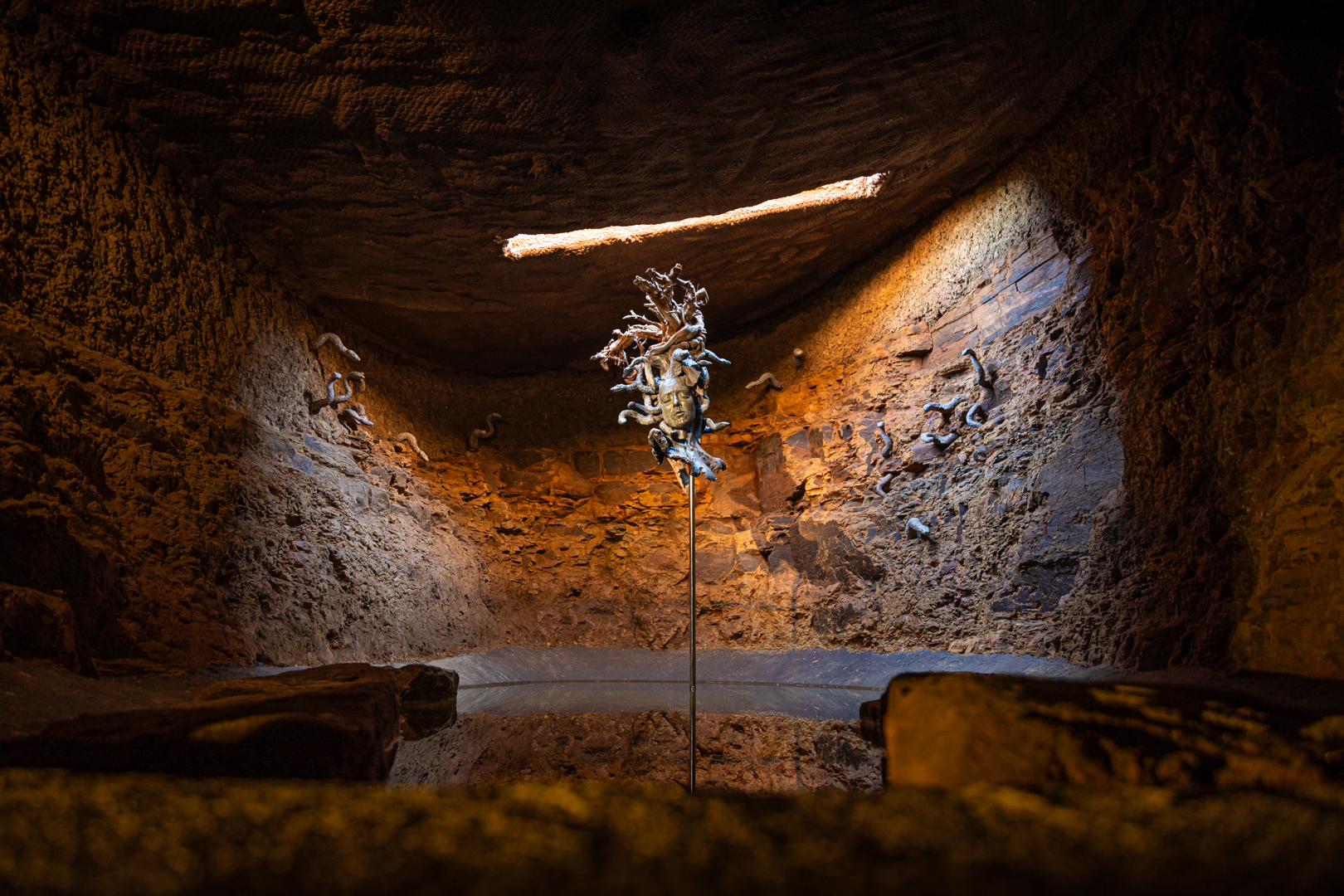
“Medusa” by Sandro Trapani: A bronze sculpture hidden in a grotto, inviting
viewers to confront themes of resilience and complexity.
“Leda and the Signet” by Joyce Carreira: A reinterpretation of myth,
capturing the bond between humans and nature.
“Strike a Woman, Strike a Rock” by Ben Tuge: A tribute to the strength of
African women, prominently placed near the lake.
“Stargazer” by Louis van den Heever: A two-meter-tall figure reaching for
the sky, embodying childhood wonder.
“The Giant” by Louis van den Heever: A five-ton concrete and steelhead
emerging from the earth, serving as a stark warning about environmental
neglect.
A Press Release on Behalf of:
Onwaba Gonyora
Director: Brahman Hills
Disseminated by:
Thulisile Mhlongo
PR Account Executive: Say Watt
071 326 9830