
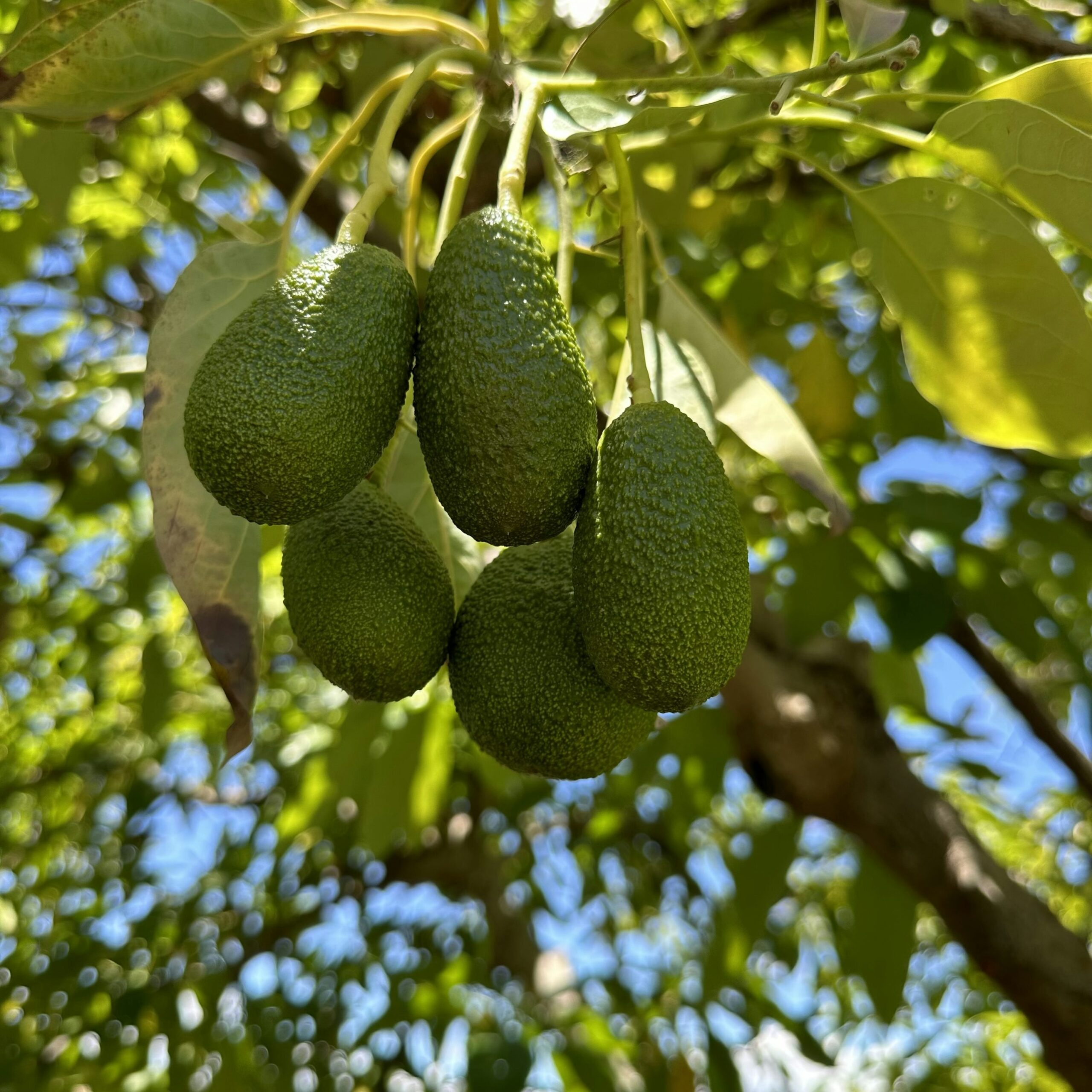
Pruning an orchard is both a science and an art – it requires an understanding of tree
biology and a strategic approach to maximise fruit yield and maintain orchard efficiency.
Although macadamia and avocado trees have different growth patterns and pruning needs,
certain principles apply across both crops.
According to Charles Henderson, Business Development Manager and Tree Professional at
Husqvarna South Africa, successful pruning comes down to intentional, informed decisions.
“It’s not just about removing branches – it’s about shaping the tree’s future in a way that
supports healthier growth and better harvests,” he explains. “When done regularly and
correctly, pruning can significantly boost both the quality and quantity of your yield.”
With that in mind, Henderson shares a few essential pruning guidelines that have been
adapted for both macadamia and avocado orchards, which, although different, benefit from a
similar approach to pruning:
1. Growth by Reduction
Pruning is a must. The risks of not pruning outweigh the risks of pruning incorrectly. Even
imperfect pruning can stimulate new, bearing wood, whereas neglecting pruning can
hinder production and fruit quality. Remember: you’re farming produce, not wood. The
goal is to maximise harvest while minimising both long-term and short-term costs. Keep in
mind that larger trees typically don’t produce more fruit than smaller, well-shaped trees,
but do consume more water and nutrients.
2. Keep It Low
Why low trees work best:
Spray Reach: Insects often rest in the tops of trees, where sprays can’t reach.
Keeping your tree canopy within spray reach ensures better insect control and
reduces costs.
Harvest Access: The more challenging the fruit is to reach, the higher the cost of
harvesting. For avocados, particularly, taller trees can increase the risk of injury to
climbers. Keeping trees low reduces these risks and improves efficiency.
3. Let the Light in
When light is blocked from reaching the inner parts of the tree, the bearing wood dies
back, creating an unproductive, hollow space within the tree. By “opening windows” in the
canopy and allowing light into these areas, you can promote fruit production in a
protected “safe zone.” This also helps with easier management, spraying, and harvesting.
4. Shaping with Purpose
Pruning shapes can vary, and no single shape is wrong. What matters is that your
pruning team understands the purpose behind the shape they are creating. When they
know the ‘why’ behind their actions, they can make better decisions in the field, even
when you’re not there. Each tree is unique, so fostering this understanding is crucial for
effective and independent decision-making.
5. Keep It Up
Consistency is key. Regular, lighter pruning can be done year-round and is preferable to
large, irregular interventions later on. A consistent pruning schedule offers several
advantages:
Smaller (and cheaper) equipment gets the job done.
Trees experience less stress, reducing the chances of an unproductive season.
The risk of sunburn on trees is minimised.
6. Think Ahead
Before making any cut, carefully consider its long-term effects:
Where will regrowth occur, and will it be productive? Vertical growth doesn’t bear
fruit, but it is necessary for supporting lateral, bearing growth. Minimise vertical growth
to optimise bearing wood.
What other growth will be activated by your cut? Consider whether you’ll be able
to manage any new growth that may emerge in the space you’ve created.
Pruning is an investment. While it’s essential for success, it must be carried out efficiently to
maximise net outcomes. “A significant part of that efficiency lies in choosing the right tools,”
says Henderson. “As farmers refine their pruning practices, tool manufacturers are
innovating to meet these evolving needs. Husqvarna has risen to the challenge with their
lightweight, versatile, and easy-to-maintain battery-powered pruning tools,” he adds. “Their
quiet motors enhance in-field communication, allowing for more effective training. With long-
lasting battery packs and affordable backup options, Husqvarna’s tools are designed for
extended shifts and maximum productivity.”
“Ultimately, pruning isn’t just about cutting – it’s about cultivating a smarter, more sustainable
orchard. With the right knowledge, techniques, and tools in hand, growers can set
themselves up for long-term success, maximising both the quality and quantity of their
harvest,” Henderson concludes.
To explore Husqvarna’s range of orchard management equipment, visit
https://www.husqvarna.com/za/pruning-saws/
ENDS
WORD COUNT
Press Release Disseminated on Behalf of:
Charles Henderson
Business Development Manager – Husqvarna South Africa
Disseminated by:
Thulisile Mhlongo
PR Account Executive: Say Watt
071 326 9830
About Husqvarna
Husqvarna, a brand within Husqvarna Group, is a market leader in innovative and high-
quality products and services for shaping green spaces in parks, forests and gardens. Since
1689, Swedish-born Husqvarna has had a strong focus on research and development and is
a pioneer in robotic lawn mowers and chainsaws. Today, the product portfolio consists of the
next generation of robotic mowers, riders, chainsaws and trimmers for professional as well
as private use. Sustainable value creation, product innovation and digitalisation remain
important for the journey ahead. Husqvarna products are sold in more than 100 countries.
Husqvarna Group, which also includes Gardena and Husqvarna Construction, has 13,300
employees in 40 countries around the world and net sales in 2024 amounted to SEK 48,4
billion. Husqvarna Group is listed on Nasdaq Stockholm.