
When men are deliberately engaged in gender inclusion efforts, 96% of
organisations report progress. Without them? The number plummets to 30%¹.
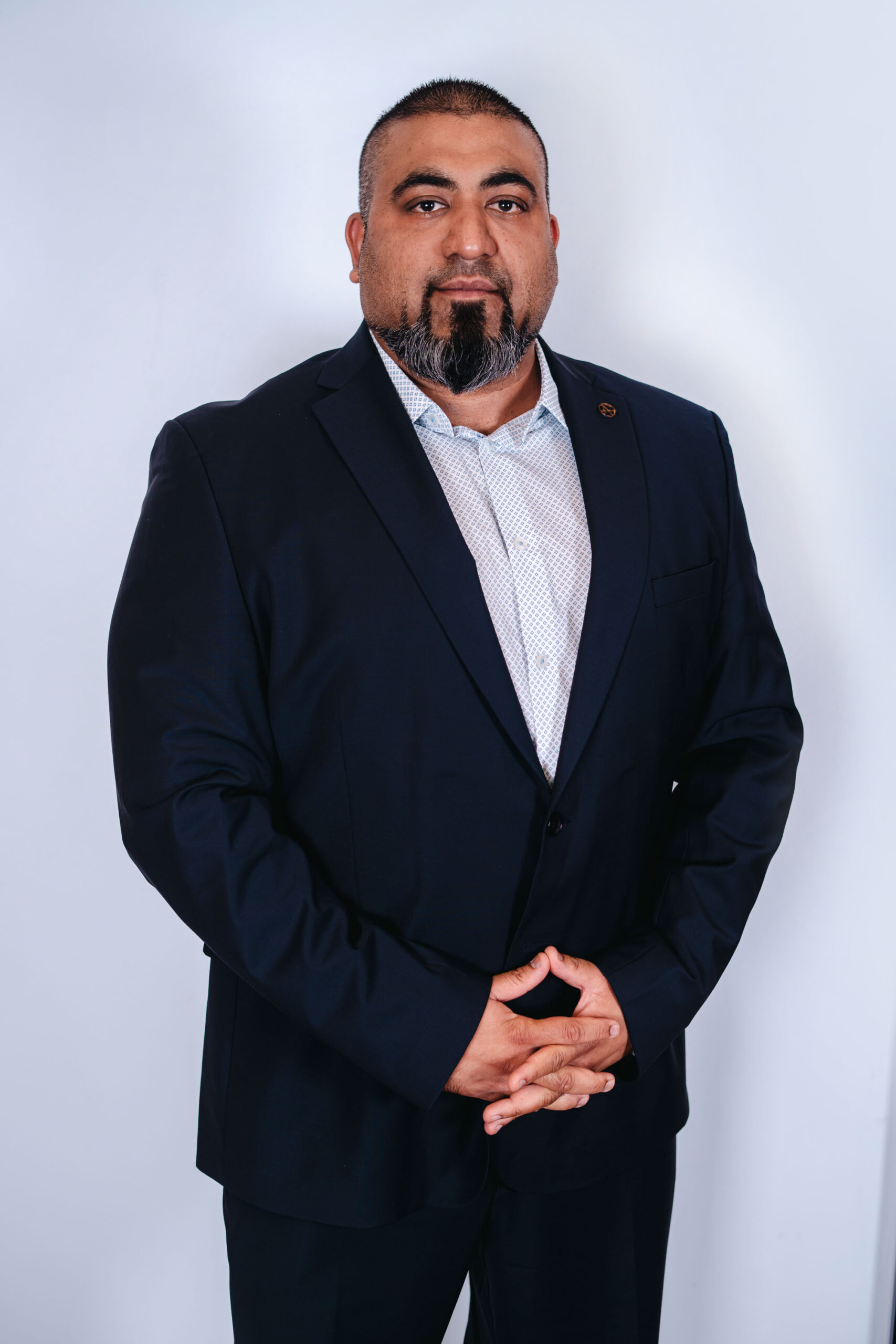
“That’s not just a statistic – it’s a wake-up call,” says Dr Neil Sirbadhoo, Managing
Director of the LDM Consulting division in the Built environment. "In South Africa,
where women hold nearly half of senior leadership roles, we've proven progress is
possible,” he continues. “The real question is whether we're willing to do the
sustained work to keep it going. And that work increasingly depends on male
allyship."
South Africa presents an interesting contradiction. We are a global leader when it
comes to female representation in senior roles, 47.2% in 2025, compared to a global
average of 34%.² Women dominate HR and finance leadership with nearly one in
three CEOs being female² – progress in gender parity in the boardroom that is the
envy of many countries.
But this progress exists alongside deeply rooted challenges because, despite this
strong representation, women here still face constant workplace challenges. They're
interrupted in meetings, overlooked for high-profile assignments, or mistaken for
junior staff⁴. The 32.9% unemployment rate³ and ongoing pay gaps also add extra
pressure on progress that could easily be lost. "Unfortunately, when economic
pressure rises, transformation strategies can stall," Dr. Sirbadhoo observes. "And
this is where male allies can help to ensure they don’t."
Many men genuinely believe they're already champions of gender equity, yet women
often don't experience that support turning into meaningful action⁵. This perception
is one of the biggest barriers to progress. But when men do engage authentically –
when they speak up, actively listen, and advocate for change, their voices carry
weight.
"Allyship isn't about speaking for others," Dr Sirbadhoo explains. "It's about
amplifying voices that are already there but not being heard."
He points out that in a country such as South Africa with its deep social divides,
allyship must also recognise that women don't all face the same barriers – race,
background, and access all matter too. So, supporting women means navigating
these biases, particularly in industries where leadership roles are traditionally male-
dominated, such as the Built environment sector.
So, what are the benefits of allyship to a company? According to McKinsey,
organisations that engage men in gender equity efforts don't just see better
representation, they see better results. Inclusive cultures improve innovation,
decision-making, and employee engagement⁶. In South Africa's competitive
economy, this isn’t a “nice-to-have” – it’s a strategic imperative.
And how does it benefit men? Allyship builds stronger teams, deeper trust, and more
authentic leadership. It’s not about guilt, it’s about growth – a sentiment echoed by Dr
Sirbadhoo.
“Allyship cannot be about good intentions, and that’s something we feel very strongly
about at LDM. It’s about showing up in practical ways,” he adds. “That means
speaking up when inappropriate remarks are made, even when it’s uncomfortable. It
means using your position to open doors for women, especially when it comes to
promotions or high-impact projects. It’s about making sure women’s contributions are
heard and acknowledged in meetings and being willing to challenge bias wherever it
shows up – whether in hiring, performance reviews, or everyday interactions.”
To move from good intentions to lasting impact, companies need to embed allyship
into their culture through consistent DEI practices such as:
Offer structured allyship training that goes beyond compliance to build real
skills
Recognise and reward inclusive leadership behaviours
Hold leaders accountable for gender equity outcomes, not just business
metrics
South Africa stands at a unique crossroads. We’ve achieved remarkable progress in
gender representation but sustaining that progress requires a new level of
commitment. The potential for true gender equity is real and rising, but it won’
happen automatically.
“Allyship isn’;t about being perfect.” Dr. Sirbadhoo concludes. “It’s about being present. Listening. Learning. Using your voice to open doors for women.”
And in a country where the stakes are this high and the potential this great, the role
of male allies has never been more critical – or more powerful.
ENDS
WORD COUNT: 686
Sources
1. Catalyst. Engaging Men in Gender Initiatives: What Change Agents Need to Know
(2022)
2. Grant Thornton. Women in Business 2025: Impacting the Missed Generation
3. Statistics South Africa. Quarterly Labour Force Survey Q1 2025
4. LeanIn.org & McKinsey. Women in the Workplace 2024
5. Harvard Business Review. How Organizations Can Encourage Productive Allyship
(2024)
6. McKinsey & Company. Diversity Wins: How Inclusion Matters (2020)
7. LeanIn.org. Women in the Workplace 2024: Key Findings
Press Release Disseminated on Behalf of:
Serisha Sirputh
Director at LDM