
Imagine a bustling Cape Town restaurant filled with tourists, a Sandton office where
handshakes seal deals, or a Durban preschool where tots play and touch everything
in sight. What do they have in common? Each faces invisible threats – bacteria,
viruses, and contaminants thriving in shared spaces.
Sanitisation has always mattered, but in 2025, it’s non-negotiable. As South Africa
aligns with global health standards, businesses must enforce strict hygiene protocols
to protect employees, customers, and communities. With antibiotic-resistant bacteria
on the rise and COVID-19’s lasting impact, proper sanitisation is about more than
compliance – it’s about responsibility.
According to Jeffrey Madkins, Marketing Manager at Unilever Professional,
businesses across South Africa are under pressure to uphold the highest cleanliness
standards. “The Occupational Health and Safety Act (OHSA) and the Foodstuffs,
Cosmetics and Disinfectants Act place clear responsibility on businesses to ensure
safe, hygienic environments,” he says. “Yet, many companies unknowingly still fall
short.”
Madkins shares six key sanitisation strategies every organisation – whether
hospitality, retail, education or corporate – should consider adopting to protect public
health and stay compliant:
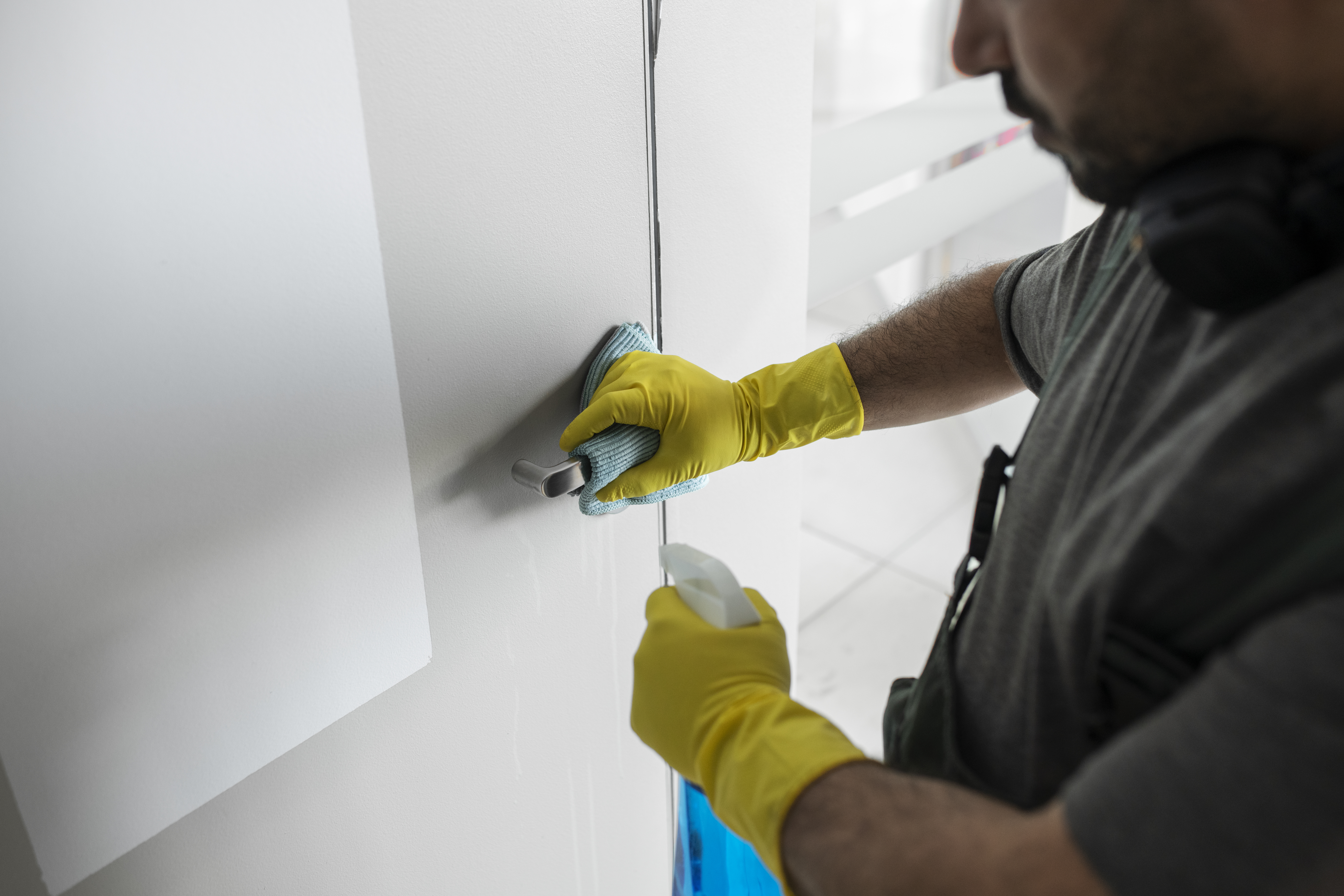
1. Frequent Disinfection of High-Touch Surfaces
South Africa’s warm climate fuels bacterial growth, making surface
sanitisation essential. Door handles, lift buttons, and card machines are
everyday hotspots for germs. Looking clean doesn’t mean germ-free. Thus, a
strict disinfection schedule with SABS-approved cleaners like Handy Andy or
Domestos is key to reducing cross-contamination.
2. Equipment Sanitisation Before Reuse
Whether it’s a kitchen slicer in a Johannesburg deli or a workstation in a
Durban call centre, shared equipment is one of the most overlooked
contamination risks. Businesses must implement structured sanitisation to
ensure proper disinfection before reuse. This is especially crucial in the food
industry, where HACCP (Hazard Analysis and Critical Control Points)
guidelines mandate strict cleaning protocols.
3. Regular (HVAC) System Maintenance
Poorly maintained Heating, Ventilation and Air Conditioning (HVAC) systems
can become breeding grounds for mould, bacteria, and airborne viruses.
Inadequate air quality is a silent contributor to respiratory illnesses in the
workplace, and regular servicing of air filtration systems is essential to prevent
the circulation of pollutants.
4. Safe Food Handling and Storage Practices
Foodborne illnesses remain a major public health concern in South Africa,
with listeriosis and salmonella outbreaks making headlines in recent years.
Cold chain management is crucial, and restaurants and retailers must store
food at safe temperatures and follow health regulations to prevent
contamination. Proper stock rotation, labelled expiry dates, and temperature-
controlled storage should be standard practice.
5. Scheduled Waste Disposal to Prevent Contamination
Improper waste disposal can have devastating effects, from attracting pests to
spreading disease. Organisations must go beyond basic waste management
by implementing sorted recycling and hazardous waste disposal practices.
They have to integrate waste disposal into their sanitisation plans, including
regular collection, proper segregation, and using the correct cleaning
solutions to prevent bacterial buildup in waste areas.
6. Enforcing Strict Staff Hygiene Protocols
Hand hygiene is one of the simplest yet most effective ways to prevent illness.
South African regulations now demand stricter compliance with workplace
hygiene policies, especially in food handling and medical settings. Employers
must ensure staff are trained in proper handwashing techniques and that
sanitising stations are available in high-traffic areas. Failure to enforce these
standards can lead to fines, reputational damage, and health code violations.
In a world shaped by health crises, sanitisation is no longer just about compliance;
it’s a brand differentiator. Customers choose businesses that prioritise hygiene,
employees are more productive in clean workspaces, and schools see better
attendance when hygiene measures are enforced.
"The pandemic permanently changed how people view cleanliness," notes Madkins.
"Organisations that prioritise sanitisation in 2025 aren’t just protecting public health…
they’re safeguarding their own future. And, in an economy where trust is everything,
a clean business is a successful business,” he concludes.
For more information on how Unilever Professional can support your cleaning needs,
visit https://www.unileverprofessional.co.za/
ENDS
WORD COUNT: 646
Press Release on Behalf of:
Jeffrey Madkins
Marketing Manager: Unilever Professional
Disseminated by:
Thulisile Mhlongo
PR Account Executive: Say Watt
071 326 9830
About Unilever Professional
Unilever Professional is a trusted partner for businesses in South Africa, offering innovative
and effective cleaning and hygiene solutions. As part of the global Unilever family, Unilever
Professional leverages well-known brands like OMO, Sunlight, Domestos, and Handy Andy
to meet the needs of South African businesses across diverse industries. From hotels and
restaurants to healthcare facilities and office spaces, our products are designed to deliver
superior cleaning power, ensuring a better clean, better business.
Maintaining a safe and clean environment is crucial for a business’s success; Unilever
Professional provides tailored solutions that are not only effective but also sustainable. With
a strong commitment to environmentally friendly practices, our products help businesses
reduce their ecological footprint while upholding top-tier hygiene standards.
Unilever Professional goes beyond just providing products; we offer expert support to ensure
your business can maximise efficiency, reduce operational costs, and maintain exceptional
cleanliness. Whether it’s ensuring spotless surfaces or a monthly deep clean, Unilever
Professional is dedicated to supporting South African businesses with reliable, sustainable
solutions that meet the highest standards.