
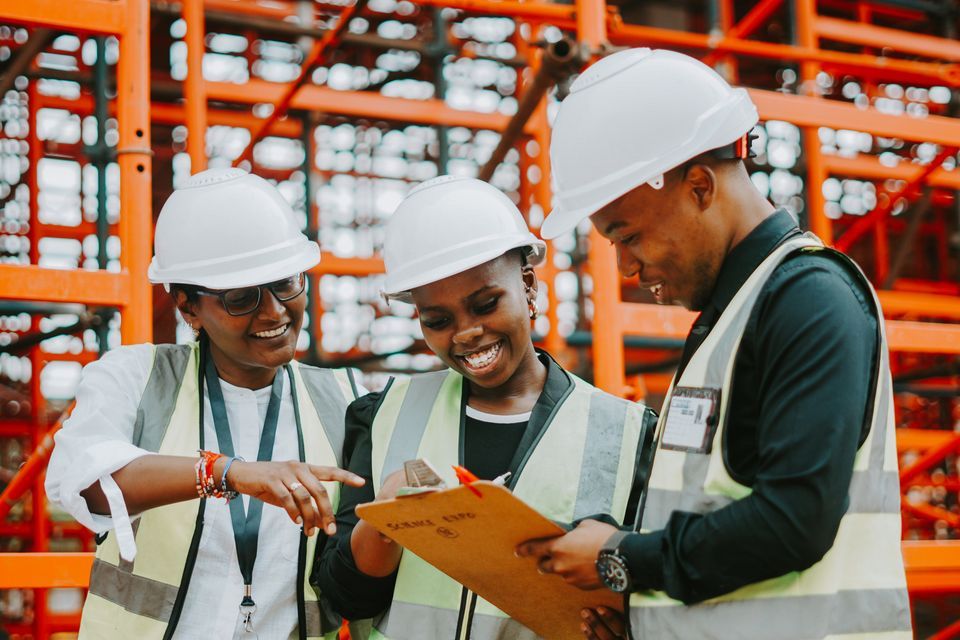
In industries historically dominated by men – from construction and mining to
infrastructure development and engineering – the growing presence of women is
transforming how work gets done. The change is not just visible on organisational
charts. It is reflected in how teams operate and how challenges are approached.
Serisha Sirputh, Director at LDM, a built environment consultancy firm, believes that the
impact of women in technical environments goes far beyond representation. It is about
diverse thinking, emotional intelligence and leadership styles that strengthen outcomes.
And her view is supported by research. A McKinsey & Company report found that
companies in the top quartile for gender diversity on executive teams were 25% more
likely to experience above-average profitability compared to those in the bottom quartile.
Diverse teams, the study notes, are also more likely to outperform peers on innovation
and decision-making.
Sirputh highlights seven key strengths that women bring, each increasingly
essential in high-performance industries:
1. Enhanced Problem-Solving & Innovation
Diverse teams that include women approach challenges with broader perspectives,
leading to more creative solutions. With a knack for collaboration, they bring fresh
perspectives, involving the right people, building consensus, and seeking sustainable
solutions. This approach doesn’t just fix issues — it sparks innovation and
strengthens team dynamics.
2. Authenticity and Empathy
Empathy is a critical leadership trait, and studies show that women often score higher
in emotional intelligence competencies, including empathy. Their authenticity further
strengthens this impact, as they lead with honesty and transparency. This
combination enhances trust, resolves conflicts, and fosters team cohesion, creating
high-functioning teams, especially in high-stakes environments.
3. Strategic Foresight and Sustainability
Women leaders are known for their ability to think beyond immediate tasks,
anticipating downstream effects and aligning projects with strategic and sustainable
goals. This forward-looking perspective can reduce costly rework and ensure efficient
use of time and resources.
4. Communication and Persuasion
Women leaders don’t just communicate – they connect and persuade. Effective
communication is a hallmark of female leadership, and they often excel at translating
complex issues into understandable actions, facilitating smoother decision-making
across departments. Their inclusive and cooperative communication style and ability
to connect enables them to build trust and influence stakeholders, which can reduce
delays, even in complex, multi-stakeholder projects – something LDM has seen
repeatedly in the hands of skilled female leaders.
5. Resilience and Adaptability
Having navigated workplaces that haven't always been welcoming, many women
develop exceptional resilience and adaptability. These qualities enable them to
manage change, lead through uncertainty, and stay focused in demanding
conditions. Their ability to pivot, improve, or innovate in the face of challenges is
invaluable in industries where agility and endurance are essential.
6. Attention to Detail Without Losing the Big Picture
Women often demonstrate the ability to focus on small but important details while
maintaining awareness of broader objectives. This dual focus is particularly valuable
in fields like construction and compliance, where oversight can lead to significant
issues. At LDM, female leaders have played a key role in streamlining internal
processes while ensuring they align with regulatory and strategic goals.
7. Breaking Stereotypes & Expanding Opportunities
The presence of women in leadership roles challenges outdated norms and paves
the way for future generations to enter these industries with fewer barriers. Their
success demonstrates the value of diverse perspectives and encourages more
inclusive workplace cultures.
Sirputh emphasises that building gender-diverse teams is not about meeting quotas. It
is about enabling different styles of leadership that drive better performance across the
board. "We're not trying to fit women into outdated moulds. We're redefining what good
leadership looks like, and that benefits everyone," she concludes.
ENDS
WORD COUNT: 603
Sources:
https://www.mckinsey.com/featured-insights/diversity-and-inclusion/diversity-wins-how-inclusion-matters
https://hbr.org/2016/11/why-diverse-teams-are-smarter
https://www.kornferry.com/about-us//press/new-research-shows-women-are-better-at-using-soft-skills-
crucial-for-effective-leadership
https://regent.ac.za/blog/women-global-leaders-unique-strengths-transforming-leadership
On Behalf of:
Serisha Sirputh
Director at LDM