
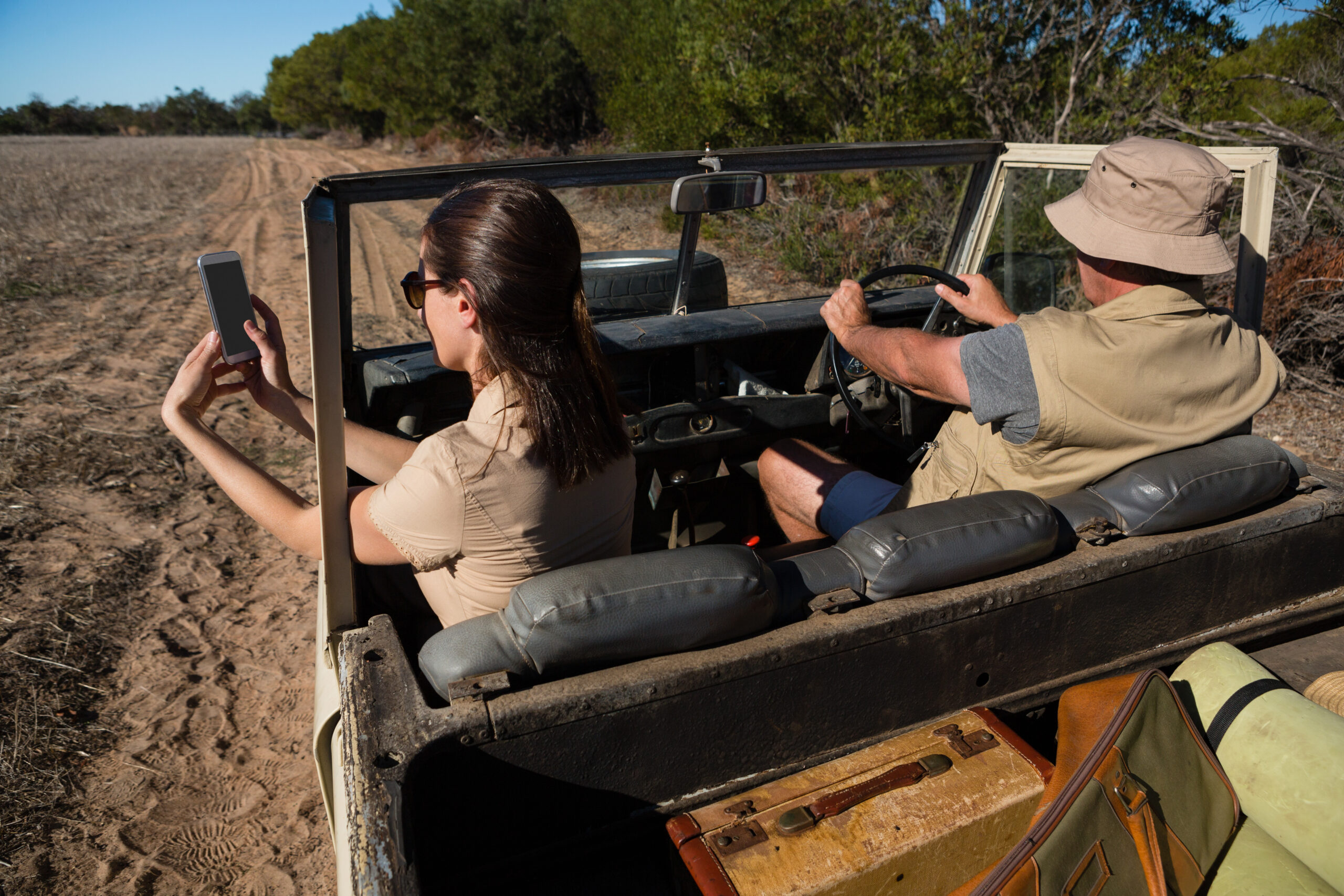
Across South Africa’s bushveld, a quiet shift is underway. Grasses are drying out.
Waterholes are shrinking. Trees are losing their leaves. Suddenly, the once-dense bush is
opening up. It may not seem particularly significant, but for those who know the rhythm of
the wild, it’s the signs they’ve been waiting for – the best time to visit the bush has arrived.
“Many people, when picturing an African Safari, associate it with scorching summer days,”
says Shaun Lamont, Managing Director at First Group Hotels and Resorts. “But seasoned
bush-goers and wildlife lovers will tell you that winter – from May to September in South
Africa – is when the bushveld really comes into its own. This is considered peak season for
game viewing. From the iconic Kruger National Park and gems like the Pilanesberg and
Hluhluwe-iMfolozi to smaller private reserves tucked across the bushveld, winter is when
the bush truly gives up its secrets.
Unlike the harsh winters in some parts of the country, South Africa’s bushveld regions are
surprisingly mild and dry. This makes for ideal game-viewing conditions, both in terms of
comfort and wildlife activity. Just imagine…crisp, early mornings and steaming hot coffee as
you load up for a game drive, or chilly evenings bundled up around a campfire. Without the
heat haze and with fewer insects (no mosquitoes – yes, really!), you can focus your
attention where it matters most: the incredible sights and sounds of the bush.
“This time of year gives nature lovers the kind of safari experience that they come back for,”
notes Lamont. “Everything is quieter. With fewer leaves on the trees and shorter grasses,
spotting game and finding the ‘Big Five’ becomes much easier. It often brings you thrillingly
close to the action, too,” he adds.
As rivers, dams, and waterholes start to dry up, they become proverbial hotspots for the
animals. This is where you can see elephants slowly making their way across the riverbed,
hippos wallowing in the water, and watchful zebras, wildebeest and impala gathering for a
drink.
You’re also likely to spot lions along the way – often right beside the road – basking in the
sun, herds of buffalo and graceful giraffes moving slowly across the plains, and if you’re
lucky, perhaps even an elusive leopard lazily stretching out across a tree. Not to mention
the many other incredible creatures of the wild that you come across, including the
spectacular birdlife. “You’re right there, watching it unfold,” Lamont observes. “And it’s
those moments, whether big or small, that stick with you and make a safari something
special.”
Where you stay depends on the experience you’re after. Some love being inside the park
for its true bush atmosphere. Others prefer the freedom of accommodation outside the
gates with the flexibility to come and go as they please, and the chance to enjoy resort
comforts or head out after dark. “Proximity is important though and if you’re close enough to
get through the gate at sunrise, you’re giving yourself the best chance to get in on the early
morning action,” says Lamont.
One of the newest additions to the First Group portfolio, Sanbonani Resort sits at the
meeting point of the Sabie and Sand Rivers, just ten minutes from Kruger’s Phabeni Gate.
Many chalets are positioned along the riverbanks, providing a tranquil setting where guests
can enjoy sundowners from their patios while watching wildlife have theirs. And it’s those
special moments, when the game comes to you, that help create magical, lasting memories
of your time in the bush,” Lamont concludes.
For more information, please visit www.sanbonani.com or www.firstgroup-sa.co.za.
ENDS
WORD COUNT: 612
Press Release Disseminated on Behalf of:
Shaun Lamont
Managing Director of First Group Hotels and Resorts